


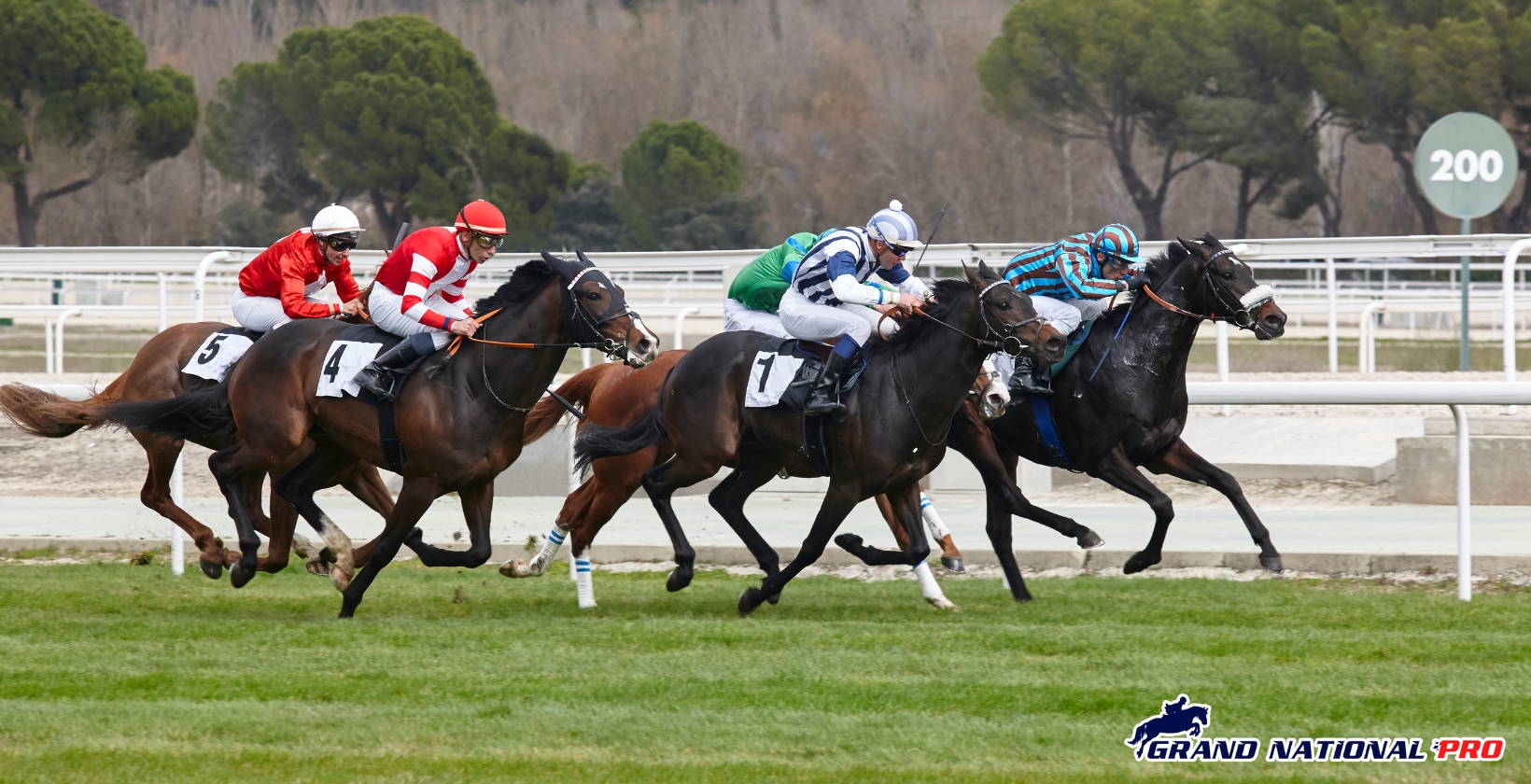
British horse racing offers two distinct styles that keep fans glued to the tracks: flat racing and jumps racing. Each type has its fervent followers, with some enthusiasts unable to wait for flat horse racing events to commence, while others eagerly anticipate the start of the jump racing season.
Flat racing in the UK boasts a storied past, taking shape in the mid-1700s. Around the same era, an anecdotal race between two church steeples in County Cork birthed jump racing, giving us the term ‘steeplechase.’ This unique race type owes much to hunting traditions, which live on through the term ‘National Hunt racing.’
Racing Venues at UK Courses
The UK’s racing landscape is dotted with courses specializing in either flat or jump racing, while several support both. Tracks solely hosting flat races include Bath, Brighton, Great Yarmouth, and Wolverhampton. Jump racing is the mainstay at venues like Fontwell Park and Hereford, while courses such as Chepstow and Doncaster are versatile, offering both forms of racing throughout the year.
Seasonal Differences
While traditionally distinct seasonally, with flat racing taking center stage from late March to October and jump racing from October to April, all-weather tracks have blurred these lines. Flat racing now spans the calendar year, accompanied by some summer jump racing events. However, purists prefer the start of flat racing with the Doncaster Lincoln meeting in late March, and jump enthusiasts celebrate the late October commencement rising to its peak by April.
Age and Career Length of Competing Horses
In flat racing, horses can start competing at two years old, with the esteemed British Classics limiting entry to three-year-olds. Though elite horses may retire early to breeding, many continue racing into their later years. Conversely, in jump racing, horses may begin hurdle racing at three and tackle steeplechases at five. Jump racers often have longer careers, uniquely competing well into their teens.
Gender Dynamics in Racing
Both male and female horses partake in flat and jump racing, though flat racing primarily features colts, while jump racing is dominated by geldings. Geldings focus better on racing objectives, yet breeding requirements in flat racing necessitate some colts remain intact for stud duties.
Weights and Race Distances
In flat races, horses carry lesser weights, with a minimum of 8st 2lb (51.7kg) compared to 10st 2lb (64.4kg) over jumps, where the top weight can reach 12st (76.2kg). Distances also differ, with flat races starting from five furlongs to the lengths of the Queen Alexandra Stakes at Royal Ascot covering nearly four-and-three-quarters miles. In contrast, jumps races begin at two miles, culminating in the mighty four-mile Grand National.
Starting Procedures and Ground Conditions
Flat racing starts in numbered stalls, where the draw can hugely affect outcomes, unlike the aligned tape starts in jump races where placement isn’t predetermined. Tracks consider ground conditions essential, with flat races favoring firmer ground, while jump races suit more give underfoot. Yet, the British weather often disrupts these preferences, underscoring the value of all-weather tracks for consistent conditions.
Jump Racing: Hurdles Versus Fences
Jump racing divides into hurdle and steeplechase events. Steeplechases feature substantial jumps over fences, at least 4.5 feet high, requiring precise maneuvering, whereas hurdles stand at three-and-a-half feet. Exceptions like the Grand National boast unique spruce-covered fences, offering a varied challenge alongside Cheltenham’s cross-country obstacles.
Whether embracing the thrill of speed in flat racing or the endurance challenges of jumping, the UK horse racing circuit offers a rich tapestry of competition, deeply rooted in tradition and constantly evolving with modern influences.
